Future-Proof Your Success: Leveraging Quantum Computing, Digital Twins, Edge AI, Climate Tech, and Neuroscience for Smarter Decision-Making

First, a quick tour of technology that’s reshaping how we think and learn. Quantum computing marches from theory to practical demos, pushing the boundaries of what we can simulate and solve. It’s not about turning every task into a quantum shortcut yet, but about understanding how certain classes of problems—like optimization, material science, and complex systems—could be accelerated with quantum-inspired methods. The lesson for you: cultivate a basic literacy in quantum concepts, not to replace classical computing, but to spot where these ideas might intersect your field. Think of it as future-proofing your problem-solving toolkit.
Meanwhile, edge computing and digital twins are becoming more approachable for small teams and startups. The idea of running data processing near the source—on location or on user devices—reduces latency and preserves privacy.

Digital twins, on the other hand, are virtual replicas of real-world systems that let you test changes without risking real-world consequences. The practical takeaway: when you’re evaluating a new process or product, ask not only how it performs but how it behaves under stress in a controlled digital environment. This can lead to smarter design choices, fewer costly experiments, and a culture that learns from simulations as readily as from real-world feedback.

Shifting to climate tech and sustainability, the latest waves include intelligent energy storage, microgrids, and decarbonization strategies that balance reliability with cost. Battery chemistries continue to evolve, and researchers are testing longer-lasting materials, faster charging, and safer recycling processes. For individuals and organizations, the trend translates into smarter energy planning: demand-response programs, predictive maintenance for renewables, and transparent carbon accounting. If you’re picking a project or a career path, consider how your skills can plug into the energy transition—data analytics for grid optimization, UI/UX for citizen-facing climate apps, or policy-informed technology development that accelerates real-world impact.
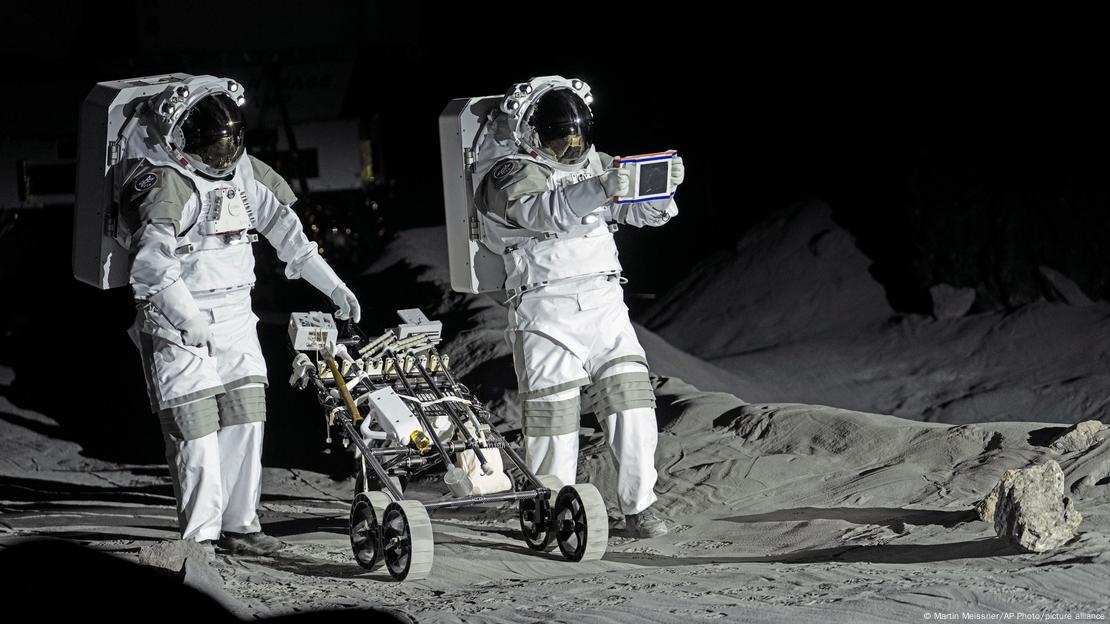
Space exploration and space science are also feeding curiosity in unexpected ways. The push toward more accessible space data accelerates learning in astronomy, astrobiology, and propulsion physics. Amateur stargazing is getting a boost from affordable sensors and open data, so you can contribute to crowdsourced science projects without leaving your neighborhood. The key takeaway: big frontiers often start with small, repeatable observations. If you’ve ever wondered how discoveries begin, try a structured diary of observations, note-taking on anomalies, and sharing results with a community—this is how innovative ideas germinate.

In neuroscience and cognitive science, we’re seeing an uptick in portable neural monitoring, brain-computer interfaces at early stages, and research into memory, attention, and decision-making. What’s notable for you as a reader is the growing emphasis on mental fitness and cognitive hygiene. Practical steps include deliberate practice routines, spaced repetition for durable learning, and awareness of cognitive biases that creep into everyday judgments. The more you know about how your brain learns, the more you can design your study and work habits to align with its natural rhythms.
Education technology continues to evolve in schools and workplaces, driven by adaptive learning platforms, micro-credentialing, and modular courses.
Personalization is no longer a buzzword; it’s increasingly a design principle that uses data to tailor content, pace, and feedback. Yet the trend also emphasizes human factors—mentorship, collaboration, and reflective practice remain critical. If you’re building or choosing a learning program, look for features that foster active recall, real-world problem solving, and opportunities to teach others. These elements often yield the strongest long-term retention.

Digital privacy, cybersecurity, and trustworthy AI remain hot topics—even when you’re not thinking specifically about AI. The real-world lesson is that smarter tech should also be safer tech. For individuals, that means practicing good cybersecurity hygiene, using multi-factor authentication, and staying skeptical of too-good-to-be-true offers. For teams and organizations, it means embedding security-by-design, transparency in data usage, and clear governance around algorithmic decisions. You don’t need to become a security expert, but a basic literacy in risk assessment and data ethics is increasingly essential.
Creative and cultural trends are worth noticing too. The intersection of augmented reality (AR) and everyday life is turning routines into playful, instructional experiences. AR can overlay context-specific information onto the real world, helping you learn through demonstration and exploration. If you’ve ever wanted to understand a complex repair, a cooking technique, or a craft, an AR-assisted approach can shorten the learning curve while making it more engaging. The broader point: learning is becoming more immersive, more social, and more contextual.
From a practical standpoint, here are five habits you can adopt this week to ride these trends without getting overwhelmed:
- Build a mini-learning sprint: pick one topic (quantum ideas, climate tech, neuroscience, or AR) and dedicate 20 minutes a day for a week. Use a mix of explain-this-to-me resources, hands-on practice, and a short reflection at the end. This reinforces durable learning and keeps curiosity alive.
- Create a learning journal: jot down one thing you learned, one question you still have, and one real-world application you could test. This turns curiosity into action and makes your learning streak visible.
- Leverage open data and demos: explore public datasets, simulators, or open-source projects related to your interest. Contributing even small improvements or notes can accelerate your understanding and connect you with communities.
- Practice cognitive hygiene: notice when you’re falling into silver-bullet traps or overgeneralizing. Pause, reframe problems, and seek multiple perspectives before committing to a solution.
- Diversify your sources: rotate between technical explainers, interviews with practitioners, and real-world case studies. This broadens your mental models and reduces the risk of overfitting to a single narrative.
If you’re curious about how these trends translate into everyday decisions, consider this synthesis: the smartest moves come from combining practical experimentation with reflective learning.
You don’t have to chase every new gadget or breakthrough. Instead, you curate a personal portfolio of topics that align with your goals, test ideas in small, repeatable ways, and share what you’ve learned. That’s how you turn wavefront curiosity into lasting expertise.
Finally, a note on versatility. The world is full of varied developments—environmental tech, space science, human cognition, and cybersecurity are all operating at once. You don’t have to be an expert in every domain, but a willingness to sample broadly—follow a few reputable sources, try a hands-on project, and discuss your findings with others—will make you smarter faster. The trend you want to ride is not just novelty; it’s the disciplined practice of learning efficiently, thinking critically, and applying insights in real life.
If you’re looking for a quick, practical takeaway: next time you read a news brief about a new battery material, a space mission, or a cognitive study, pause for 60 seconds to summarize the core idea in your own words, identify one potential application, and note one limitation or uncertainty. This tiny habit compounds into clearer thinking and sharper decisions over time.
In a world overflowing with information, the ability to connect ideas across disciplines matters more than ever.
By embracing the latest trends in technology, science, and human learning, you’re not just keeping up—you’re building a robust foundation for smarter choices, lifelong curiosity, and meaningful impact.
Comments
Post a Comment