The Future of Innovation: 12 Mind-Bending Facts About Edge Computing, AI, Green Tech, and the Hidden IoT Systems Powering Our Modern World
Here are some bite-sized, mind-bending insights across technology, science, and everyday life that will nudge your curiosity upward. They’re designed to be easy to remember, highly shareable, and perfect for sparking conversations with friends or readers.
1) The minimal energy of a single transistor’s switch

Fact: A modern processor uses billions of transistors, and each transistor switches on and off incredibly fast. If you could measure the energy per switch, you’d be astonished by how tiny it is—yet the cumulative effect across billions of switches powers everything from your phone to data centers. This is the heartbeat of digital efficiency and a quiet driver of sustainability in tech. Why it matters: it explains why hardware engineers obsess over power efficiency and how tiny improvements ripple into real-world energy savings.
2) The physics behind wireless charging

Fact: Wireless charging isn’t magic; it relies on magnetic induction and resonance. A charging pad creates a magnetic field that couples with a coil in your device, transferring energy without physical contact. More advanced systems use resonant inductive coupling to stretch the distance a bit further and improve alignment tolerance. Why it matters: this trend is shaping how we design consumer devices, public charging stations, and even hospital equipment where cable-free power reduces clutter and risk.
3) The quiet growth of edge computing

Fact: Edge computing moves data processing closer to the source of data generation—think sensors, cameras, smartphones—instead of sending everything to a distant cloud. This reduces latency, saves bandwidth, and enhances privacy. Why it matters: for smart cities, autonomous vehicles, industrial automation, and real-time analytics, edge computing is the backbone that makes low-latency, responsive systems feasible.
4) The surprising resilience of ordinary batteries

Fact: The majority of devices run on lithium-ion chemistry, but researchers are constantly chasing better energy density, faster charge times, and longer lifespan. Solid-state batteries, for instance, replace the liquid electrolyte with a solid one, promising safer, more efficient power. Why it matters: better batteries unlock longer-lasting wearables, cheaper electric vehicles, and longer-range drones—boosting the entire green tech ecosystem.
5) The story behind standardization that speeds innovation

Fact: Standards bodies—think USB-C, HDMI, Bluetooth—don’t just create compatibility; they lower risk and spur investment by offering a predictable playground for product design. Why it matters: standardized interfaces accelerate innovation, promote competition, and reduce e-waste as devices become more interoperable.
6) The clever design of streaming compression
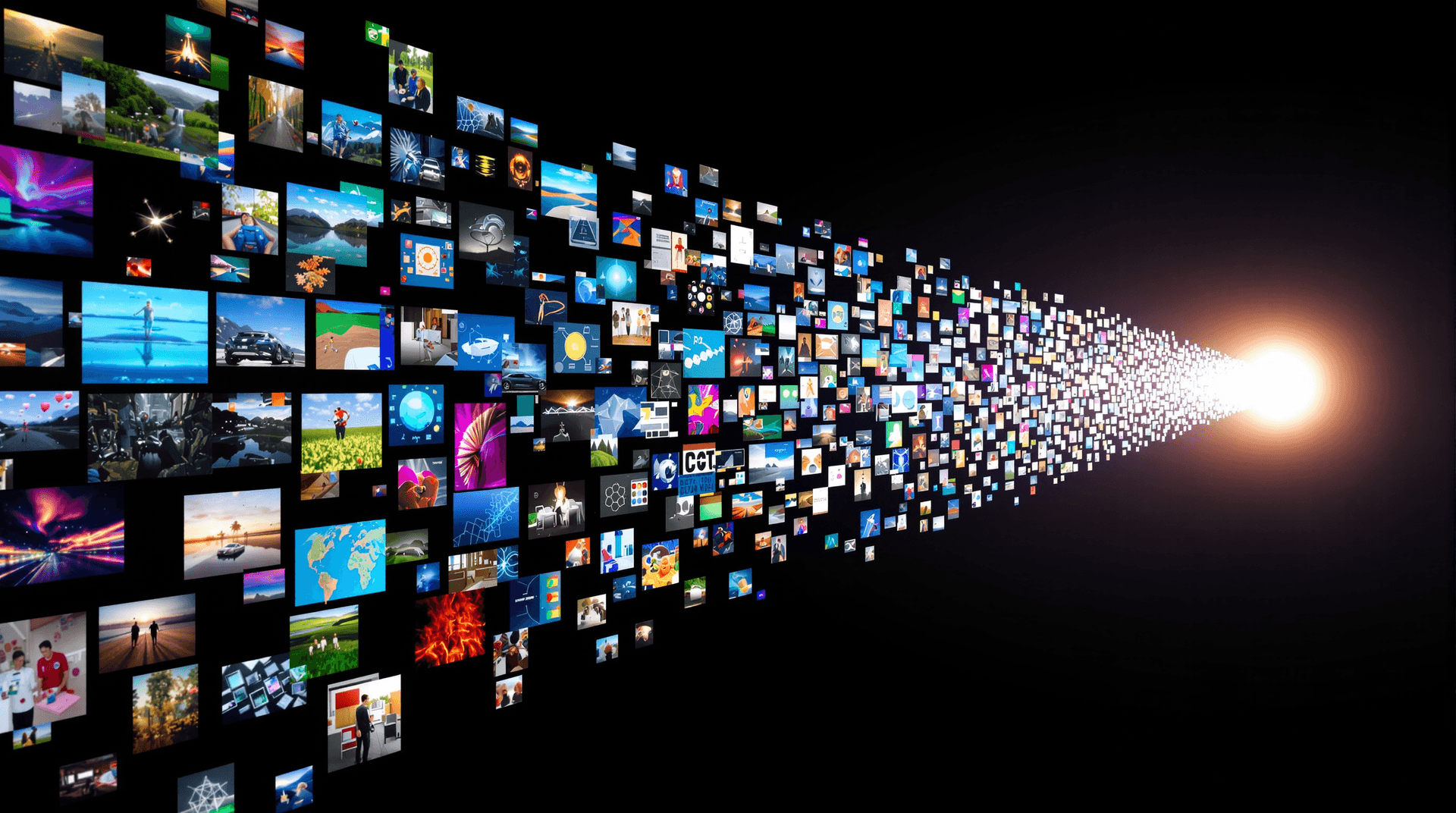
Fact: When you stream a video, algorithms compress data to fit within your bandwidth while preserving visual quality. Modern codecs optimize color, motion prediction, and perceptual quality to deliver high-definition content with surprisingly low data rates. Why it matters: this is why you can enjoy blockbuster visuals on mobile networks and in regions with limited connectivity, and it fuels the ongoing growth of on-demand entertainment and cloud gaming.
7) The hidden power of small data in climate tech

Fact: Tiny sensors deployed across forests, oceans, or urban areas collect granular data on temperature, humidity, and pollutant levels. Although each sensor reads a small slice, the aggregate data creates powerful climate models, urban heat maps, and early warning systems. Why it matters: this democratizes research, enabling communities to monitor air quality, track microclimates, and advocate for cleaner policies with precise, local evidence.
8) The bread-and-butter of fintech innovation

Fact: Digital wallets, instant payments, and programmable money are reshaping how we transfer value. Behind the scenes are cryptographic signatures, secure enclaves, and real-time risk scoring that keep these systems fast and trustworthy. Why it matters: this is changing how small businesses operate, enabling global commerce to feel instant and inclusive, and driving new financial literacy needs as people navigate digital currencies, digital identity, and privacy.
9) The space tech ripple into everyday life
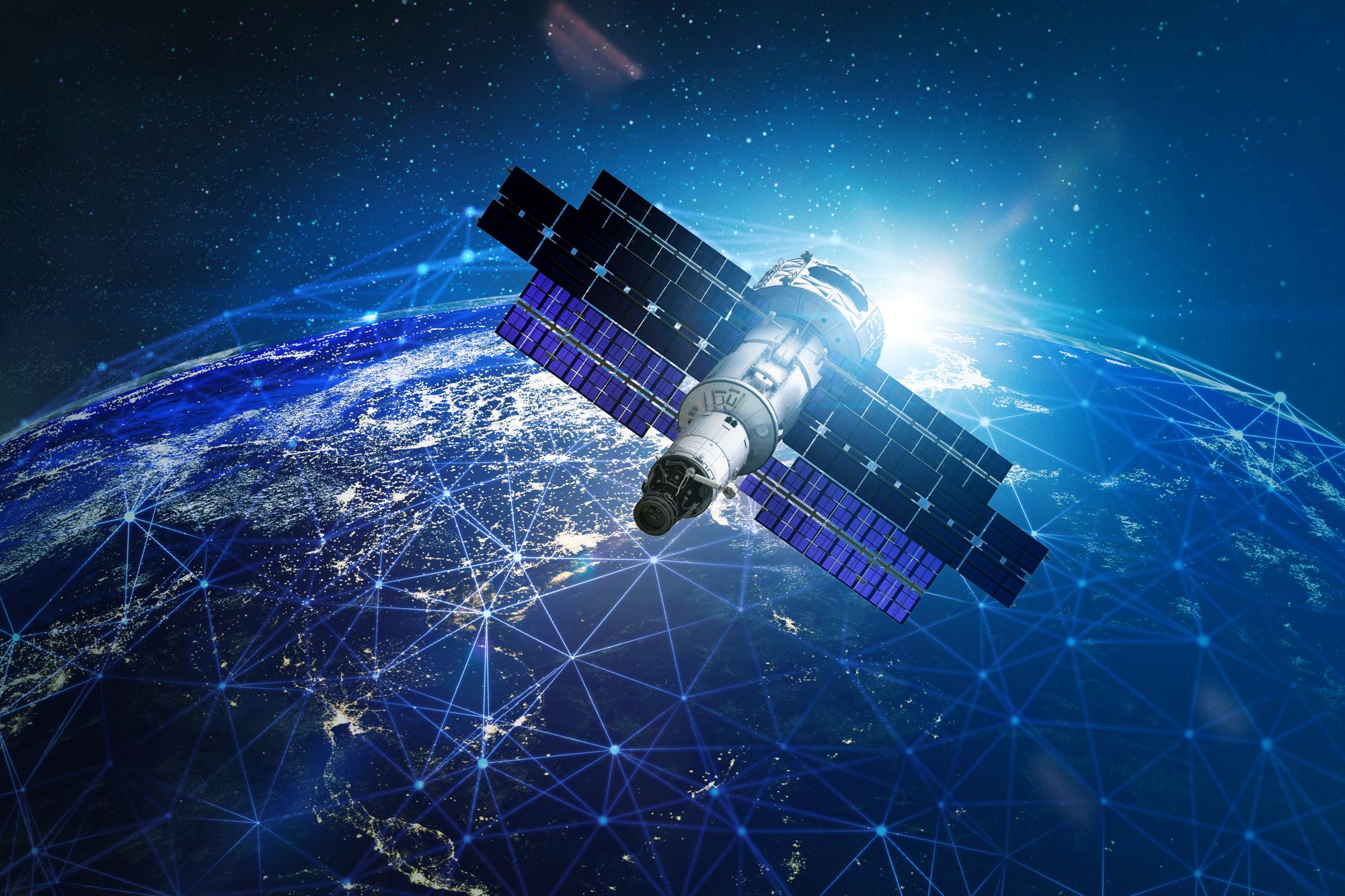
Fact: Many technologies we take for granted in consumer tech—such as high-precision sensors, robust thermal management, and satellite-enabled connectivity—are borrowed from space technology. This cross-pollination accelerates innovations like global positioning, satellite internet, and remote diagnostics. Why it matters: you don’t need to be an astronaut to benefit from space-grade tech, and it explains why certain gadgets perform better in harsh environments than their price would suggest.
10) The practical magic of augmented reality in daily learning

Fact: Augmented reality layers digital information onto the real world, making complex concepts tangible. In education, architects, and healthcare, AR helps people visualize structures, processes, or anatomy in three dimensions. Why it matters: this is a powerful tool for experiential learning, helping students retain information longer and professionals simulate scenarios without risk.
11) Cybersecurity hygiene in a connected era

Fact: The average person interacts with a dozen or more connected services daily, from cloud storage to smart home ecosystems. Small habits—strong unique passwords, two-factor authentication, software updates, and device segmentation—lay the groundwork for robust security. Why it matters: as cyber threats evolve, practical, everyday prevention protects data, privacy, and trust in digital services that power work, education, and social life.
12) The art of creative problem solving in tech teams

Fact: Beyond tools and code, what makes projects succeed is disciplined collaboration: clear goals, iterative testing, and feedback loops. Rapid prototyping and lightweight experiments uncover what works sooner, saving time and resources. Why it matters: this approach isn’t limited to tech; it’s a universal method for learning quickly, optimizing processes, and turning ideas into usable knowledge that benefits any field.

Trends and takeaways to fuel your curiosity
- The blend of edge and cloud is redefining where computation happens, with latency, privacy, and efficiency as guiding stars.
- Battery technology and charging ecosystems will continue reshaping consumer devices, vehicles, and renewable energy integration.
- Interoperability through standards remains a silent engine of innovation, enabling seamless experiences across devices and services.
- Space tech inspiration is increasingly visible in everyday gadgets, from better sensors to reliable connectivity in remote areas.
Quick prompts to apply these ideas
- If you’re a student or professional, pick one trend (edge computing, AR learning, or solid-state batteries) and explore a practical project or case study you could prototype in a month.
- For readers curious about the future, compare streaming codecs you use with their data footprint and quality trade-offs to understand how media delivery evolves.
- If you’re a small business owner, review your digital toolkit for cybersecurity hygiene and assess where two-factor authentication or password management could reduce risk quickly.
Trending keywords to keep in mind
edge computing, AI, machine learning, 5G, 6G, blockchain, fintech, digital identity, cybersecurity, privacy, privacy-by-design, AR, VR, mixed reality, sustainability, green tech, solid-state batteries, electric vehicles, space tech, satellite internet, IoT, smart cities, open standards, interoperability, data sovereignty, quantum computing, cloud-native, microservices, DevOps, rapid prototyping, digital literacy, tech literacy, knowledge economy, lifelong learning, microlearning
If you’re reading this on a busy day, here are small bite-sized actions you can take today
- Pick one curious fact from this list and share it with a friend, then ask for their related insight.
- Subscribe to a tech newsletter or a briefing that curates world trends with a lens on how they’ll impact everyday life.
- Try a micro-learning session on a topic you don’t usually explore—space tech, biotech, or cybersecurity—and note one takeaway you can apply in your work or thinking.
The world is sprinting forward in countless directions, and you don’t have to be an expert to ride the wave. Curiosity, combined with a knack for asking questions, is the fastest way to learn something new every day.
Keep an eye on the convergence of everyday tech and bold science, because that intersection is where the most exciting discoveries live.
Comments
Post a Comment